Serving Bryant, AR and surrounding areas. (501) 984-8019
Stronghold Bryant Concrete is a licensed concrete contractor serving Little Rock, AR with slab foundation building, driveway installation, and concrete patio work. We have been working across Little Rock and central Arkansas since 2017, and we know how the city's expansive clay soil and neighborhood-specific permit requirements affect every concrete job.
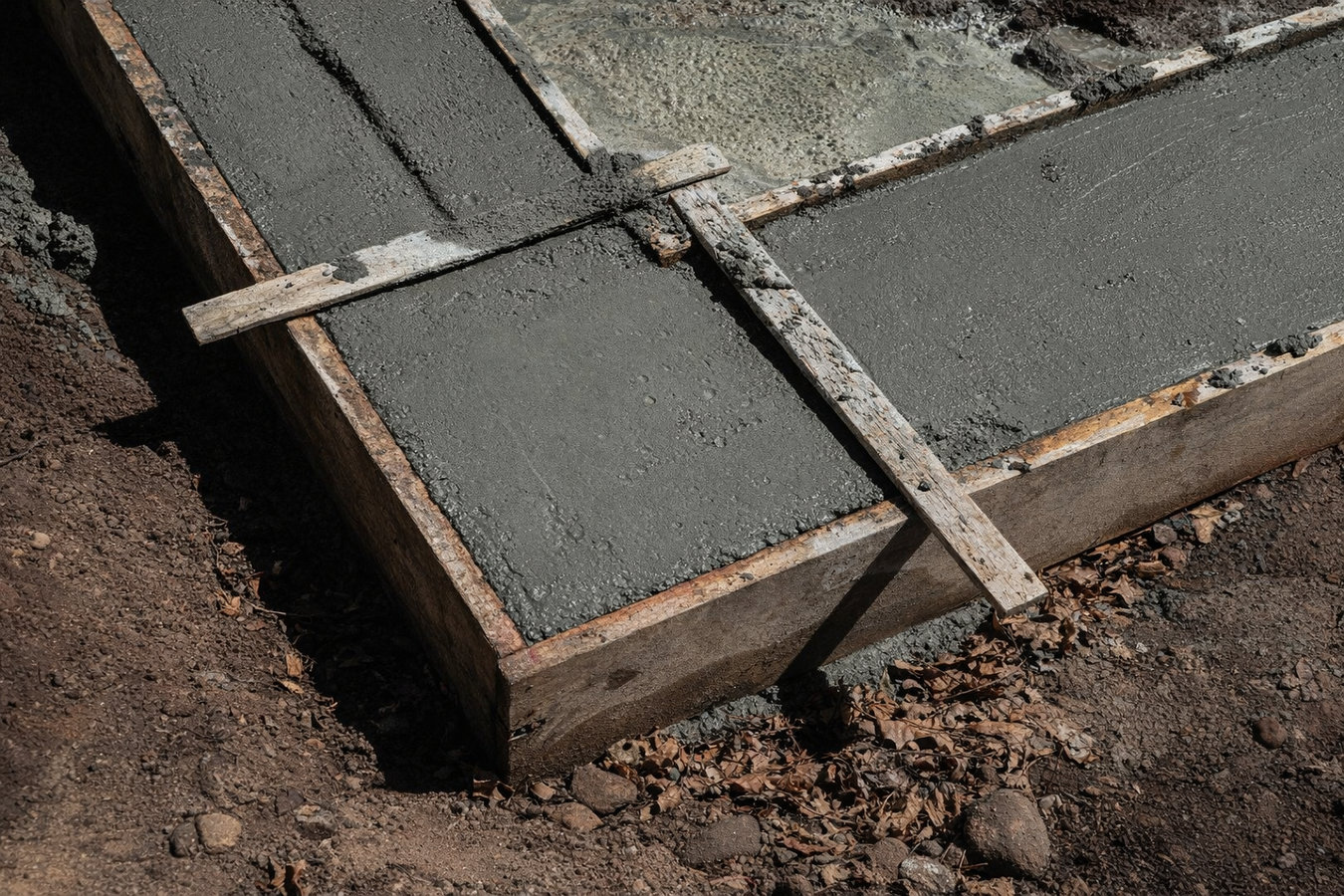
Little Rock's expansive clay soil makes slab foundation preparation one of the most critical steps in any new build or addition. We compact and grade the subbase carefully before pouring so the slab resists the seasonal soil movement common across Little Rock's neighborhoods. Learn about our slab foundation work.
Older Little Rock neighborhoods like Broadmoor and Leawood have driveways that have been through 40 to 50 years of Arkansas clay movement and seasonal freezes. We remove deteriorated sections, prepare the subbase to stop future shifting, and pour a replacement that matches the city's grade requirements.
Little Rock homeowners in the Heights and West Little Rock use their outdoor space heavily, and a concrete patio is one of the most durable surfaces you can install. We account for drainage slope so water runs away from the home - especially important during Little Rock's heavy spring rain seasons.
Little Rock's older neighborhoods - especially Hillcrest and the Quapaw Quarter area - have sidewalks that have buckled and cracked from decades of tree root growth and clay soil movement. We replace damaged sections and pour to the proper grade so the finished surface is safe and code-compliant.
Little Rock's varied terrain - from the flat river bottom neighborhoods to the hillside lots in the Heights - creates real erosion and drainage challenges. A properly reinforced concrete retaining wall controls soil movement and protects property in both older established areas and newer hillside subdivisions.
Many of Little Rock's pre-1980 homes have experienced some degree of foundation settling after decades of clay soil movement. We assess settled slabs and lift them back to level using proven methods, addressing the drainage or soil issues that caused the problem in the first place.
Little Rock sits on expansive clay soil that swells when it absorbs moisture and contracts during dry periods. That cycle happens every year without fail - wet springs push soil against foundations and under slabs, then hot dry summers pull it away. According to the University of Arkansas Cooperative Extension Service, expansive clay soils in central Arkansas require specific base preparation to prevent concrete cracking and slab movement. A contractor who skips proper compaction and gravel base work is building something that will look fine for the first year or two and then start failing. The problem starts before the first bucket of concrete is poured.
Little Rock is also the state's largest city and has active permit enforcement through its Building Services Division. Most permanent concrete work - driveways connecting to public streets, patios over a certain size, any foundation work - requires a permit and inspection. The city's older neighborhoods add another layer of complexity: homes in areas like the Quapaw Quarter and Hillcrest sometimes fall under historic preservation guidelines that affect what materials and methods can be used. A contractor who doesn't work in Little Rock regularly won't know these nuances, and that can create problems for you down the road.
Our crew works throughout Little Rock regularly, and we understand the local conditions that affect concrete work here. Little Rock is not one uniform city - the older brick ranch neighborhoods in Broadmoor and Kingwood have very different soil profiles and home ages than the newer slab-on-grade construction in Chenal Valley and West Little Rock. We approach each part of the city differently because those differences matter in how we prepare the subbase and manage drainage.
We work on homes across the city - from neighborhoods near the Clinton Presidential Center downtown to the subdivisions along Kanis Road on the west side. Little Rock's position at the center of a metro area of roughly 750,000 people means there's a wide range of property types and ages, and we've worked on most of them. We also serve North Little Rock just across the Arkansas River, and homeowners in Maumelle to the northwest - if neighbors in those areas need concrete work, we cover them too.
Reach out by phone or through our contact form. We respond within 1 business day and schedule a site visit that works around your availability - no need to take a full day off work for an estimate.
We visit your Little Rock property, look at the soil conditions, drainage, and existing concrete, and give you a written estimate. This is also when we identify any permit requirements for your specific address and project type - no surprises after the job starts.
We handle all soil preparation - compaction, gravel base, forming, and reinforcement - before the concrete truck arrives. The pour itself usually takes one day for standard residential flatwork, with cleanup completed the same day.
Standard residential concrete needs five to seven days before vehicle traffic and 28 days for full cure strength. We walk through the finished work with you and answer any questions about care and sealing before we leave the job site.
We serve homeowners all across Little Rock. Call us or fill out the form and we will get back to you within 1 business day.
(501) 984-8019Little Rock is the state capital of Arkansas and its largest city, with a population of roughly 202,000 people and a metro area of approximately 750,000. The city sits on the south bank of the Arkansas River and has a mix of neighborhoods that feel very different from one another. Historic areas like Hillcrest, the Heights, and the Quapaw Quarter feature homes from the late 1800s through the 1940s - craftsman bungalows, Tudor revivals, and Victorian-era houses on tree-lined streets. In contrast, West Little Rock neighborhoods like Chenal Valley and Pleasant Valley are built largely from the 1980s onward, with brick veneer homes on slab foundations in planned subdivisions.
The city's housing stock is diverse in age, style, and condition, which means concrete work here requires different approaches depending on where you live. Older homes have slabs and flatwork that have been through 50 or more years of clay soil movement, while newer homes may have been built during growth booms when subbase preparation was sometimes rushed. Little Rock borders North Little Rock directly across the Arkansas River, and the western suburbs connect seamlessly to Maumelle, both of which we also serve.
Get a durable, long-lasting driveway built to handle daily traffic.
Learn MoreTransform your backyard with a solid, beautiful concrete patio.
Learn MoreSafe, level sidewalks installed with precision and lasting strength.
Learn MoreSturdy retaining walls that control erosion and shape your landscape.
Learn MoreSolid, well-formed steps that improve access and boost curb appeal.
Learn MoreExpert foundation installation that supports your building for decades.
Learn MoreCommercial-grade parking lots built for high traffic and longevity.
Learn MoreRestore stability to settling foundations with professional raising services.
Learn MoreWe serve all Little Rock neighborhoods. The sooner you call, the sooner we can visit your site and give you a written estimate at no charge.