Serving Bryant, AR and surrounding areas. (501) 984-8019
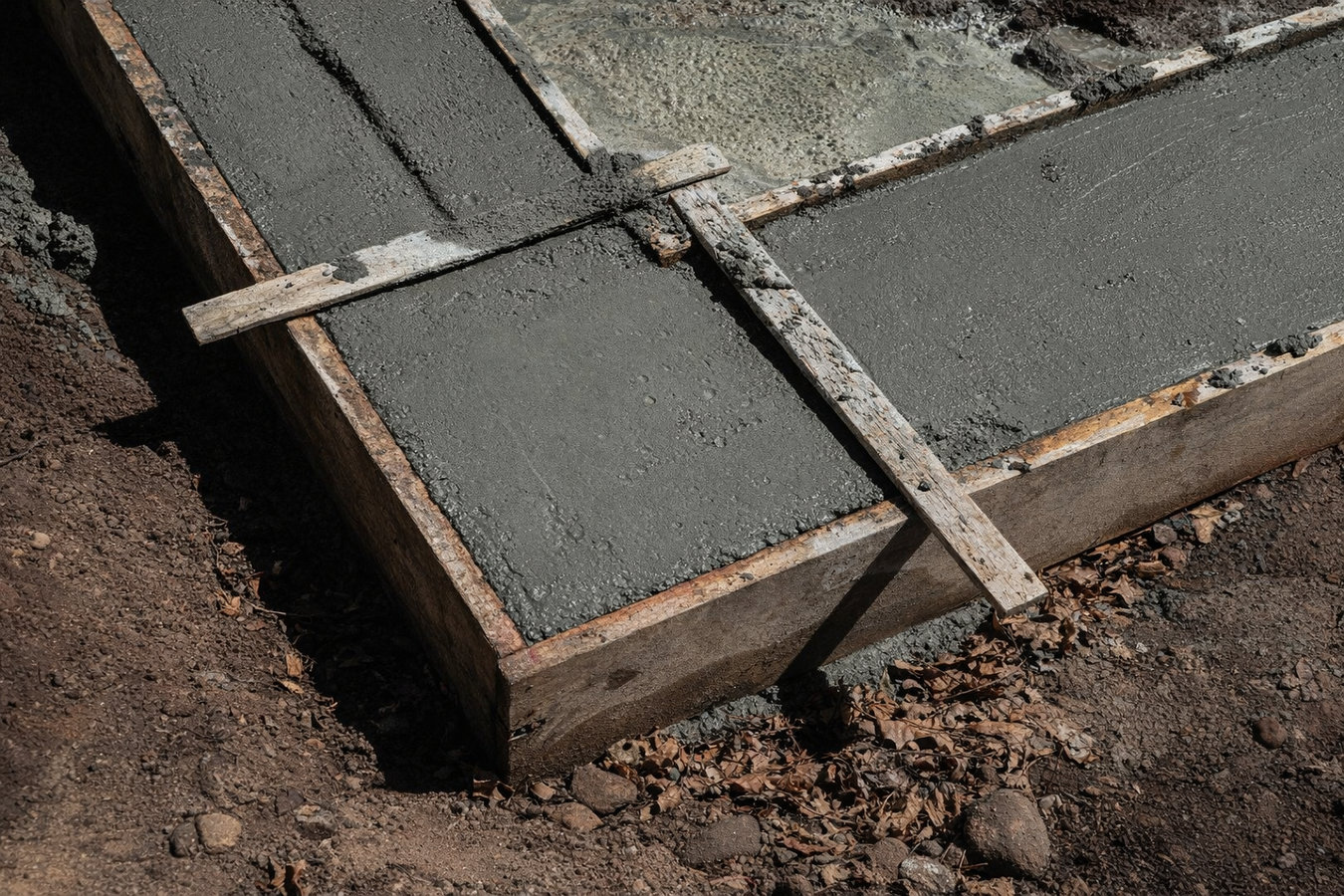
Starting a new build or adding a structure? We pour slab foundations in Bryant designed for Saline County soil, with the reinforcement and drainage your ground actually needs.
Starting a new build or adding a structure? We pour slab foundations in Bryant designed for Saline County soil, with the reinforcement and drainage your ground actually needs.
Slab foundation building in Bryant means pouring a reinforced concrete pad directly on prepared ground, with a thickened perimeter beam and a gravel base layer for drainage, most residential slabs complete active work in five to seven days.
Most homes in Bryant and across Saline County are built on slab foundations - it is the most common choice in central Arkansas because it works well in warm climates and costs less than crawl space or basement alternatives. That does not mean every slab is built the same way. The clay-heavy soil in this area expands and contracts with the seasons, which means the prep work under your slab matters just as much as the concrete itself.
Whether you are starting a new home build, adding a detached garage, or replacing a failing slab on an older Bryant home, the process starts with a free on-site visit. If you are also planning steps or an entry feature, our concrete steps construction work pairs well with slab foundation projects.
If you have purchased land in Bryant or Saline County and are ready to start construction, a slab foundation is typically the first step before any framing begins. Most new single-family homes in this part of Arkansas are built on slabs, so if your builder has specified a slab, you need a concrete contractor to handle this phase before any other trade can begin.
Small hairline cracks in a concrete floor are common and usually cosmetic. If you can see cracks wider than a credit card's thickness, or cracks that run diagonally from corners of doors and windows, the slab may be moving. In Bryant's clay-heavy soil, this kind of movement is not unusual in older homes and is worth having a professional assess.
When a slab shifts, the walls and door frames shift with it. If doors that used to swing freely now drag on the floor or stick at the top, or if you notice gaps forming between your walls and ceiling, the foundation beneath your home may be moving. This is a common complaint in Bryant during dry summers when clay soil shrinks and pulls away from the slab edge.
If you are planning to add a garage, sunroom, or accessory building to your property, that new structure will need its own concrete foundation. A slab is the most common and cost-effective choice for additions in the Bryant area, and it needs to be built to the same standard as your main foundation to avoid settling or separation at the connection point.
We handle the full scope of residential slab foundation work in Bryant and across Saline County. That includes new home slabs, detached garage and workshop slabs, room addition foundations, and slab replacement when an existing foundation has failed beyond repair. Every project starts with an on-site assessment so we can see what the ground actually looks like before we quote a number. For homes that need structural work that goes deeper, we also offer foundation installation covering crawl space and more involved structural foundations.
Our slab work includes proper soil compaction, a crushed stone base layer for drainage, a polyethylene moisture barrier, steel rebar or wire mesh reinforcement, and a thickened perimeter beam sized for local soil conditions. We also handle permit coordination with the City of Bryant's Building Department so you do not have to chase paperwork. For projects that require below-grade anchor support before a slab is poured, our concrete footings service covers that phase as a standalone or integrated scope.
Ideal for homeowners breaking ground on a new single-family home in Bryant or Saline County.
Suits homeowners adding a detached garage, storage building, or hobby workshop to an existing property.
For homeowners expanding their home with a sunroom, family room, or in-law suite that needs its own concrete base.
For existing Bryant homes where the original slab has cracked, heaved, or settled beyond practical repair.
Bryant sits in Saline County, where the soil is heavily clay-based. Clay expands when it gets wet and shrinks when it dries out, which puts constant pressure on concrete slabs from below. This cycle happens every year here - wet springs followed by hot, dry summers - and it is the leading reason that foundations in this area need to be designed with more steel reinforcement and a thicker perimeter than you would need in sandier parts of the country. A slab that was not engineered for these conditions will show it within a few years, and the repair costs far outweigh the price of doing it right the first time. We serve homeowners in Benton and across Saline County and understand how the ground behaves differently from one neighborhood to the next.
Bryant has been one of the fastest-growing cities in Arkansas for over a decade, and that growth keeps local concrete contractors busy - especially in spring and fall when building activity peaks. If you are planning a new home build or a major addition, getting your contractor lined up early saves frustration. Bryant's Building Department also requires a permit and inspection before any foundation pour, which is a step we handle for every project. You can learn more about foundation permit requirements at the City of Bryant website.
Tell us the lot address, the size of the slab you need, and what it is for. We reply within one business day and schedule a free on-site visit - phone quotes for foundation work are not reliable because so much depends on what the ground actually looks like.
We walk the site, assess soil conditions, and give you a written estimate that covers labor, materials, site prep, and permit fees. Once you approve, we submit the permit application to Bryant's Building Department before any work begins.
The crew compacts the soil, lays a gravel drainage base, installs the moisture barrier, and places steel reinforcement. A city inspector visits before the pour to verify the setup - this step is required and we schedule it automatically.
Concrete trucks arrive and the pour is usually complete in a few hours for a standard residential slab. We walk you through the finished slab, point out control joints, and confirm when framing can begin - typically within a week of the pour.
Free on-site estimate. We handle the permit. No surprises after the pour.
(501) 984-8019We account for Bryant's clay-heavy soil in every foundation we build - thicker edges, proper steel, and a gravel base that manages the wet-dry cycle this area sees every year. A slab built for generic conditions will not hold up the same way here.
Every project goes through Bryant's Building Department permit process, including the required pre-pour inspection. We manage the application and scheduling so you do not have to track down paperwork or chase the city. You get the permit confirmation before any work starts.
We visit every lot before we quote. Soil conditions, drainage, and access vary from one Bryant neighborhood to the next, and a number given without seeing the ground is rarely accurate. What we quote reflects your actual project, not an average.
We hold a current license through the Arkansas Contractors Licensing Board, which you can verify at any time. Licensing means we meet the state's minimum requirements for construction work and carry the insurance coverage that protects you and your property.
Every foundation we build in Bryant starts with the right prep - because the visible concrete is only as good as what is underneath it. You can verify contractor license status anytime at the Arkansas Contractors Licensing Board.
Full foundation installation for new homes and additions, including crawl space and structural foundation options beyond a standard slab.
Learn MoreBelow-grade footings that anchor walls, columns, and structural loads before a slab or foundation is poured.
Learn MoreSpring build season fills up fast in Saline County - call now to lock in your start date before the schedule closes.